
Ultimate FIFA World Cup 2026 Schedule: 104 Matches to Football Glory
Get the complete, authoritative FIFA World Cup 2026 schedule covering all 104 matches across 16 host cities. Plan your viewing of the historic 48-team tournament here!
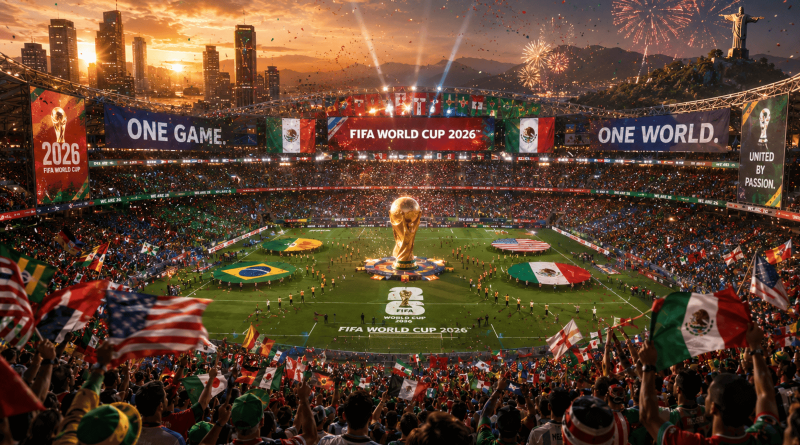
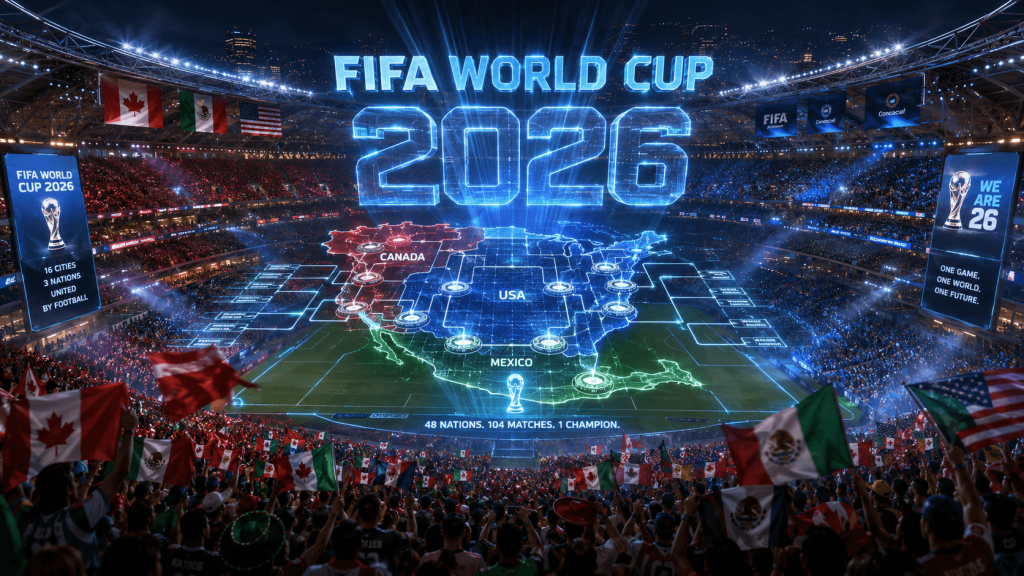
The beautiful game enters an unprecedented dimension. The FIFA World Cup 2026 marks a historic shift in international football, introducing an expanded format that welcomes 48 nations to the global stage. Co-hosted by three giants of North America—the United States, Mexico, and Canada—the tournament will unfold across 16 iconic host cities, delivering a record-breaking 104 matches of pure sporting drama from June 11 to July 19.
This definitive guide breaks down the complete FIFA World Cup 2026 schedule, details the groundbreaking 12-group competitive format, and profiles every single qualified team to ensure you do not miss a moment of the action.
Tournament Format & Essential Dates
The expansion from 32 to 48 teams has reshaped the rhythm of the competition. Rather than eight traditional groups, the tournament now features 12 groups of four teams each, designated from Group A through Group L.
The Knockout Qualification Rule
The path to the knockout bracket introduces an intense layer of calculation:
- Top Two Finishers: The teams finishing 1st and 2nd in each of the 12 groups automatically advance to the knockouts (24 teams total).
- Best Third-Placed Teams: The eight best 3rd-placed teams—compared globally across points, goal difference, and goals scored—fill the remaining slots.
- The Round of 32: This brings the total pool to 32 nations, launching a direct elimination bracket that adds an entire extra round of single-elimination drama before reaching the Round of 16. A team marching all the way to the final will now play eight matches instead of the traditional seven.
FIFA World Cup 2026 Schedule: Crucial Milestones
- Opening Match: June 11, 2026 at the historic Mexico City Stadium.
- Group Stage Window: June 11 to June 27, 2026.
- Round of 32: June 28 to July 3, 2026.
- Round of 16: July 4 to July 7, 2026.
- Quarter-Finals: July 8 to July 11, 2026.
- Semi-Finals: July 14 to July 15, 2026.
- Third-Place Play-off: July 18, 2026.
- World Cup Final: July 19, 2026 at the New York New Jersey Stadium in East Rutherford, New Jersey.
FIFA World Cup 2026 schedule:
| Date | Group / Round | Matchup | Kickoff Time (BST) | Venue |
| Fri, June 12 | Group A Group A Group B Group D | Mexico vs. South Africa South Korea vs. Czechia Canada vs Bosnia and Herzegovina USA vs Paraguay | 01:00 AM 08:00 AM 01:00 AM 07:00 AM | Mexico City Stadium, Mexico City Estadio Guadalajara, Guadalajara Toronto Stadium Los Angeles Stadium |
| Sat, June 13 | Group B Group C Group C Group D | Qatar vs Switzerland Brazil vs Morocco Haiti vs Scotland Australia vs Türkiye | 01:00 AM 04:00 AM 07:00 AM 10:00 AM | San Francisco Bay Area Stadium New York New Jersey Stadium Boston Stadium BC Place (Vancouver) |
| Sun, June 14 | Group E Group F | Germany vs Curaçao Netherlands vs Japan | 11:00 PM 02:00 AM | Houston Stadium Dallas Stadium |
| Mon, June 15 | Group E Group F Group H | Ivory Coast vs Ecuador Sweden vs Tunisia Spain vs Cape Verde | 05:00 AM 08:00 AM 10:00 PM | Philadelphia Stadium Estadio Monterrey Atlanta Stadium |
| Tue, June 16 | Group G Group H Group G | Belgium vs Egypt Saudi Arabia vs Uruguay Iran vs New Zealand | 01:00 AM 04:00 AM 07:00 AM | Seattle Stadium Hard Rock Stadium (Miami) Los Angeles Stadium |
| Wed, June 17 | Group I Group I Group J Group J | France vs Senegal Iraq vs Norway Argentina vs Algeria Austria vs Jordan | 01:00 AM 04:00 AM 07:00 AM 10:00 AM | New York New Jersey Stadium Boston Stadium Kansas City Stadium San Francisco Bay Area Stadium |
| Thu, June 18 | Group K Group L Group L Group K Group A | Portugal vs DR Congo England vs Croatia Ghana vs Panama Uzbekistan vs Colombia Czechia vs South Africa | 11:00 PM 02:00 AM 05:00 AM 08:00 AM 11:00 PM | Houston Stadium Dallas Stadium Toronto Stadium Mexico City Stadium Atlanta Stadium |
| Fri, June 19 | Group B Group B Group A Group D | Switzerland vs Bosnia and Herzegovina Canada vs Qatar Mexico vs South Korea USA vs Australia | 01:00 AM 04:00 AM 07:00 AM 11:00 PM | Los Angeles Stadium BC Place (Vancouver) Estadio Guadalajara Seattle Stadium |
| Sat, June 20 | Group C Group C Group D Group F Group E | Scotland vs Morocco Brazil vs Haiti Türkiye vs Paraguay Netherlands vs Sweden Germany vs Ivory Coast | 02:00 AM 05:30 AM 08:00 AM 11:00 PM 02:00 AM | Boston Stadium Philadelphia Stadium San Francisco Bay Area Stadium Houston Stadium Toronto Stadium |
| Sun, June 21 | Group E Group F Group H | Ecuador vs Curaçao Tunisia vs Japan Spain vs Saudi Arabia | 06:00 AM 10:00 AM 11:00 PM | Kansas City Stadium Estadio Monterrey Atlanta Stadium |
| Mon, June 22 | Group G Group H Group G Group J | Belgium vs Iran Uruguay vs Cape Verde New Zealand vs Egypt Argentina vs Austria | 02:00 AM 05:00 AM 08:00 AM 11:00 PM | Los Angeles Stadium Hard Rock Stadium (Miami) BC Place (Vancouver) Dallas Stadium |
| Tue, June 23 | Group I Group I Group J Group K | France vs Iraq Norway vs Senegal Jordan vs Algeria Portugal vs Uzbekistan | 03:00 AM 06:00 AM 09:00 AM 11:00 PM | Philadelphia Stadium New York New Jersey Stadium San Francisco Bay Area Stadium Houston Stadium |
| Wed, June 24 | Group L Group L Group K | England vs Ghana Panama vs Croatia Colombia vs DR Congo | 02:00 AM 05:00 AM 08:00 AM | Boston Stadium Toronto Stadium Estadio Guadalajara |
| Thu, June 25 | Group B Group B Group C Group C Group A Group A | Switzerland vs Canada Bosnia and Herzegovina vs Qatar Morocco vs Haiti Scotland vs Brazil South Africa vs South Korea Czechia vs Mexico | 02:00 AM 02:00 AM 05:00 AM 05:00 AM 08:00 AM 08:00 AM | BC Place (Vancouver) Seattle Stadium Atlanta Stadium Miami Stadium Estadio Monterrey Mexico City Stadium |
| Fri, June 26 | Group E Group E Group F Group F Group D Group D | Curaçao vs Ivory Coast Ecuador vs Germany Tunisia vs Netherlands Japan vs Sweden Türkiye vs USA Paraguay vs Australia | 02:00 AM 02:00 AM 05:00 AM 05:00 AM 08:00 AM 08:00 AM | Philadelphia Stadium New York New Jersey Stadium Kansas City Stadium Dallas Stadium Los Angeles Stadium San Francisco Bay Area Stadium |
| Sat, June 27 | Group I Group I Group H Group H Group G Group G | Norway vs France Senegal vs Iraq Cape Verde vs Saudi Arabia Uruguay vs Spain New Zealand vs Belgium Egypt vs Iran | 02:00 AM 02:00 AM 07:00 AM 07:00 AM 10:00 AM 10:00 AM | New York New Jersey Stadium Boston Stadium Houston Stadium Miami Stadium Los Angeles Stadium San Francisco Bay Area Stadium |
| Sun, June 28 | Group L Group L Group K Group K Group J Group J Round of 32 | Panama vs England Croatia vs Ghana Colombia vs Portugal DR Congo vs Uzbekistan Algeria vs Austria Jordan vs Argentina Match 73 (1C vs 2F) | 04:00 AM 04:00 AM 06:30 AM 06:30 AM 09:00 AM 09:00 AM TBD | Los Angeles Stadium Philadelphia Stadium Hard Rock Stadium (Miami) Atlanta Stadium Arrowhead Stadium (Kansas City) Dallas Stadium Los Angeles Stadium |
FIFA World Cup 2026 schedule: Official 12 Groups & Team Overviews
Group A
- Mexico: The main hosts are making history by staging their third World Cup. Relying heavily on fierce home-field support at the high-altitude Azteca, El Tri looks to break their historical quarter-final ceiling.
- South Africa: Returning to the world stage with an athletic, tightly disciplined squad. Bafana Bafana aims to reproduce the explosive counter-attacking style that makes them a dangerous threat to complacent giants.
- South Korea: Armed with relentless high-pressing machinery and world-class veteran leadership. The Taeguk Warriors are seasoned knockout contenders who excel at wearing down technically superior opponents over 90 minutes.
- Czechia: A bruising, highly organized European side that thrives on set-pieces and physical defensive shape. They pose an immediate tactical nightmare for teams struggling against aerial dominance.
Group B
- Canada: Co-hosts enjoying a modern golden generation of rapid, direct attackers. The Maple Leafs possess lethal transitional pace and are hunting for their first-ever World Cup match victory on home soil.
- Bosnia & Herzegovina: Built around a technically sound midfield and clinical veteran target-men. They play an uncompromising style of possession football designed to thoroughly frustrate high-tempo teams.
- Qatar: The former 2022 hosts are eager to erase memories of their previous winless campaign. Methodical and deeply coordinated, they rely on long-term squad chemistry to control tactical tempo.
- Switzerland: The ultimate tournament pragmatists of European football. Exceptionally stable under pressure, the Swiss are built to systematically neutralize elite attacks and quietly grind their way into the deeper rounds.
Group C
- Brazil: Carrying the heavy burden of historical expectation under fresh leadership. The Seleção combine dazzling individual flair with a highly physical defensive spine, making them universal title favorites.
- Morocco: The history-makers of the previous edition arrive with a battle-tested roster. Their suffocating low-block defense paired with lightning-fast wing play makes them a legitimate threat to any team in the tournament.
- Haiti: The fairy-tale story of the qualifying cycle, entering as major underdogs. Boasting deep emotional resolve and quick, unpredictable attackers, they are fully primed to play spoilers.
- Scotland: A fiercely passionate side built on relentless work rate and tactical flexibility. They are highly adept at absorbing sustained pressure and punishing opponents on direct transitional plays.
Group D
- USA: Co-hosts boasting an incredibly dynamic, young roster playing across Europe’s elite leagues. Eager to maximize home advantage, the Stars and Stripes are aiming for a deep run into the final brackets.
- Paraguay: A side that prides itself on a legendary, uncompromising defensive identity. They will happily transform every single match into a gritty battle of attrition to choke out creative midfielders.
- Australia: The Socceroos are legendary tournament fighters who specialize in collective unity and physical resilience. They consistently punch above their weight, utilizing high-intensity pressing to upset favored sides.
- Türkiye: A highly emotional, technically brilliant squad overflowing with creative young playmakers. Capable of playing breathtaking attacking football, they are the quintessential dark horse team.
Group E
- Germany: Seeking complete international redemption with a tactical blend of elite possession and clinical efficiency. Die Mannschaft enters with a point to prove and a highly motivated squad.
- Curaçao: The smallest nation to ever grace a World Cup tournament. Playing with absolutely nothing to lose, their energetic, historic appearance makes them an exciting wild card.
- Ivory Coast: A powerhouse packed with elite physical presence and explosive wide threats. The Les Éléphants can dominate transitions and present a massive physical challenge to European structures.
- Ecuador: A young, incredibly physical squad built for high-altitude endurance and rapid wing deployment. La Tri is a modern, structural nightmare to break down in open space.
Group F
- Netherlands: Tactical masters of positional rotation and structured defensive stability. The Oranje possess a balanced, elite roster capable of shifting shapes mid-match to pick apart opposition systems.
- Japan: The Samurai Blue are a masterclass in tactical discipline, quick short-passing, and exhausting pressing. They are widely feared by top seeds due to their proven history of slaying global giants.
- Sweden: A classic European side utilizing structural width, physical aerial strength, and immaculate defensive shape. They are incredibly difficult to break down when protecting a lead.
- Tunisia: A battle-hardened squad featuring a stubborn defensive block and clever game-management. They specialize in slowing down games and forcing technical errors from their opponents.
Group G
- Belgium: Navigating a transition away from their famous golden generation into a vibrant, faster era. They remain highly dangerous through elite creative individuals who can win matches on isolated plays.
- Egypt: A disciplined, defensively minded team structured specifically to unleash world-class counter-attacking wingers. They build a tight wall at the back and strike efficiently when opponents overextend.
- Iran: Team Melli boasts immense structural resilience and lethal efficiency in front of goal. They are experts at navigating high-pressure tournament situations and grinding out narrow results.
- New Zealand: The dominant force of the Oceania zone, utilizing physical size, structured direct passing, and organizational discipline to test the defensive focus of their group opponents.
Group H
- Spain: The undisputed kings of structural possession and high-precision passing. La Roja systematically starves opponents of the ball, using suffocating counter-pressing to dictate every minute of play.
- Cabo Verde: A highly technical, agile side making waves through rapid attacking transitions. Their lack of historical pressure allows them to play an uninhibited, dangerous brand of football.
- Saudi Arabia: A deeply cohesive unit that benefits from playing together consistently. They rely on high-line pressing traps and immense tactical discipline to frustrate elite individual superstars.
- Uruguay: Managed by intense tactical philosophy, La Celeste blends legendary defensive grit with a fiercely energetic midfield. They press relentlessly and attack with devastating vertical speed.
Group I
- France: An absolute juggernaut boasting frightening squad depth and unparalleled individual game-changers. Les Bleus are built to absorb pressure and instantly decimate opponents on the counter.
- Senegal: The reigning premium standard of African football longevity. Possessing an incredibly athletic spine and top-tier European experience, they fear absolutely no one in the bracket.
- Iraq: A highly passionate, emotionally driven squad that thrives on collective work ethic and tight defensive containment. They are incredibly stubborn opponents in tournament formats.
- Norway: Propelled by generational attacking talent capable of scoring from any position on the pitch. If their defensive line holds under pressure, they can outscore anyone.
Group J
- Argentina: The defending world champions enter with immense continuity and tactical balance. Built around an elite possession structure, they remain the team to beat on the global stage.
- Algeria: A proud, technically gifted North African side that plays with high emotional intensity. They deploy creative wingers who can unlock deep defensive blocks in an instant.
- Austria: A high-pressing, high-intensity machine built on modern European tactical principles. They look to create absolute chaos in the midfield and force costly turnovers.
- Jordan: Making a historic first-ever appearance at the global finals. Playing with immense national pride, they look to surprise opponents using an unfamiliar, deeply energetic low-block strategy.
Group K
- Portugal: An incredibly deep assembly of elite attacking midfielders and clinical forwards. They possess the unique tactical versatility to completely dominate possession or play devastating counter-attacks.
- Congo DR: A highly physical, explosive team that excels in wide spaces. They can easily overwhelm rigid defensive structures with their sheer power and speed on the break.
- Uzbekistan: Celebrating a historic debut tournament after years of narrow misses. They rely on immaculate structural shape, patient midfield building, and low-risk defensive management.
- Colombia: Back on the grand stage with a vibrant blend of experienced playmaking and young, aggressive wingers. They bring distinct South American flair and high-intensity press cycles.
Group L
- England: Armed with one of the most valuable, attack-heavy rosters in international football. The Three Lions pair tournament consistency with lethal set-piece execution, making them perennial final-four candidates.
- Croatia: The legendary midfield maestros who simply refuse to die in tournament formats. Possessing elite spatial awareness and mental resilience, they excel at dragging matches into deep waters.
- Ghana: A young, incredibly athletic roster packed with explosive physical talent. The Black Stars are highly unpredictable and can completely devastate teams when finding their transition rhythm.
- Panama: A highly disciplined CONCACAF side built around physical defense and swift vertical counters. They are comfortable operating without the ball and striking on set-plays.
FIFA World Cup 2026 schedule: Pro-Tips for Strategic Match Viewing
To maximize your experience of the largest sporting event ever organized, integrate these essential tips into your viewing schedule:
Sync to Your Time Zone: The kickoffs are distributed across four distinct North American time zones (Pacific, Mountain, Central, and Eastern). Keep an eye on local conversions so morning games don’t surprise you.
Track the Third-Place Tracker: By the second matchday of the group stage, traditional group tables don’t tell the whole story. Keep a running tally of the 3rd-place matrix, as a single goal in Group L could radically alter who qualifies in Group A.
Account for Travel Fatigue: With host venues stretching from Vancouver to Mexico City, teams facing long-distance travel between matches may show signs of fatigue. Factor stadium locations into your performance expectations during the later matchdays.
FIFA World Cup 2026 schedule: Frequently Asked Questions
-
When does the FIFA World Cup 2026 begin and end?
The tournament officially kicks off with the opening match on June 11, 2026, at the Mexico City Stadium and concludes with the final match on July 19, 2026, at the New York New Jersey Stadium.
-
How many teams are participating in this edition?
For the first time in history, the FIFA World Cup features 48 teams, expanding from the traditional 32-team format that had been used since 1998.
-
How does the group stage progression work with 48 teams?
Teams are divided into 12 groups of four. The top two teams from each group automatically qualify for the knockout stage, along with the eight best third-placed teams across all groups, forming a new Round of 32 knockout phase.
-
Where will the 2026 World Cup Final be played?
The final match will take place at the New York New Jersey Stadium (MetLife Stadium) located in East Rutherford, New Jersey, on July 19, 2026.
-
Which countries are hosting the matches?
The tournament is jointly co-hosted by three nations: Canada, Mexico, and the United States, with matches spread across 16 different host cities.